
Collections follow-up
Agents that read invoices, payment status, and customer conversations, and chase what's due.
KAI Vault
AI is only as useful as the data it can see. KAI Vault makes your business data available, unified, and safe for agents to work with, whether it lives in your ERP, your CRM, a WhatsApp thread, or a system that has never had an API.
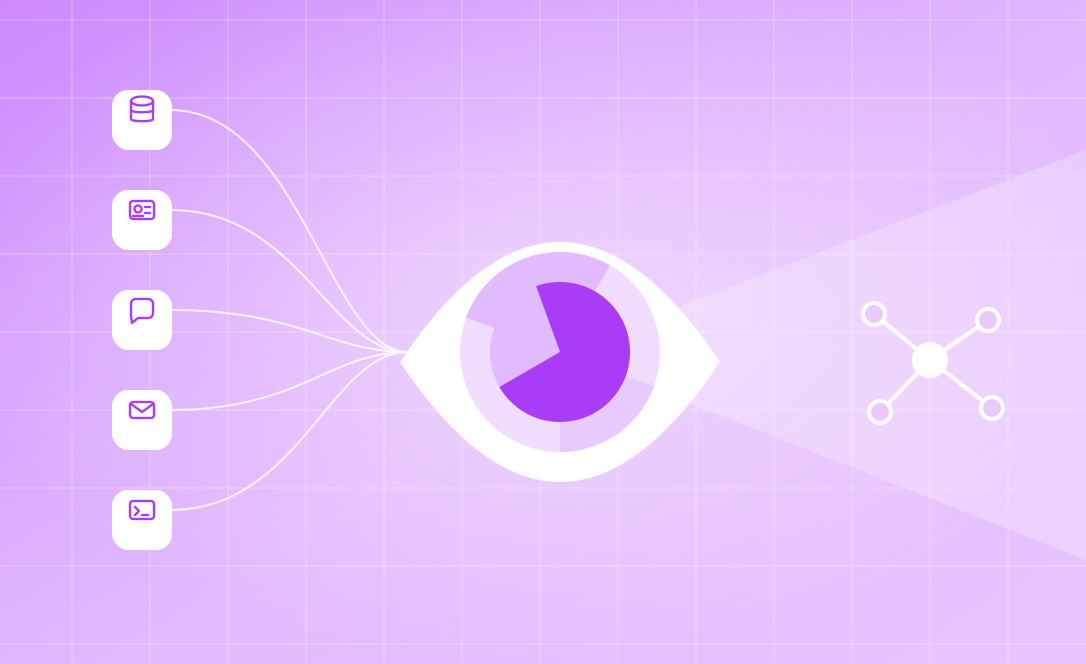
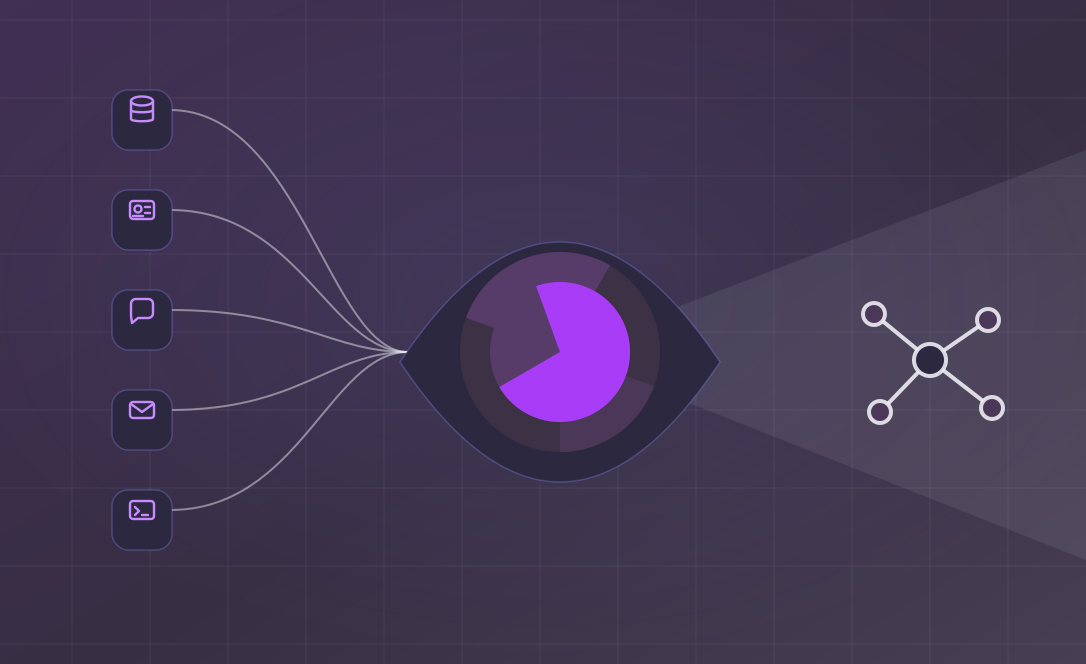
Most AI initiatives stall before the model runs. The data is scattered, part of it isn't reachable, and the systems don't agree on who the customer is. An agent that can't see the invoice, the conversation, and the delivery status together can't do anything useful with any of them. The Vault fixes that first, so every agent, copilot, or report built afterwards works from the same reliable picture of the business.
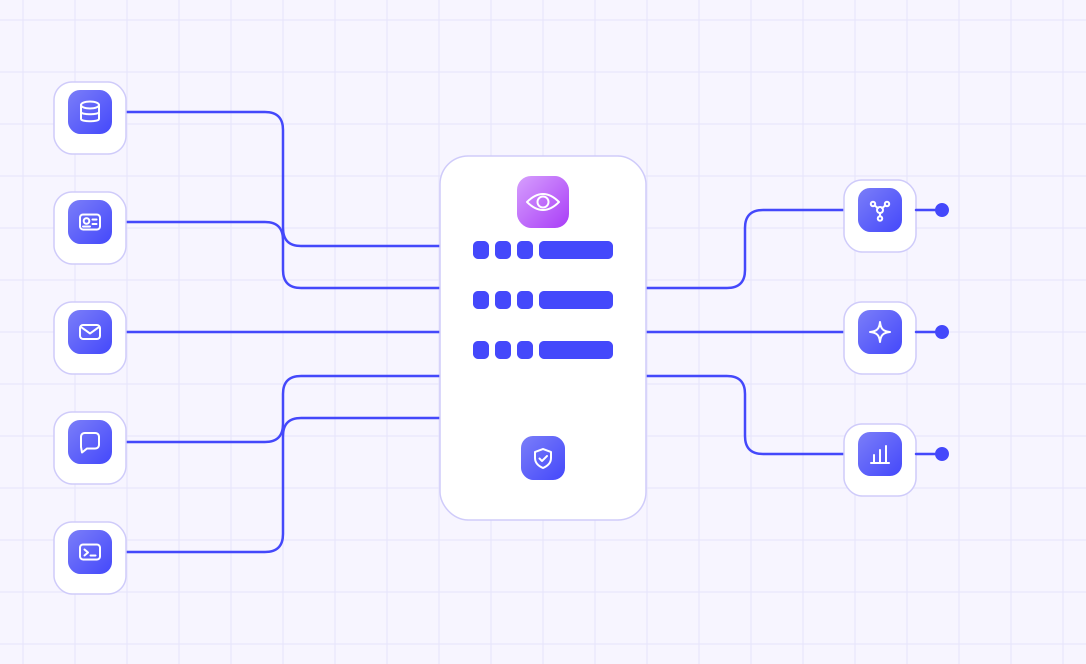
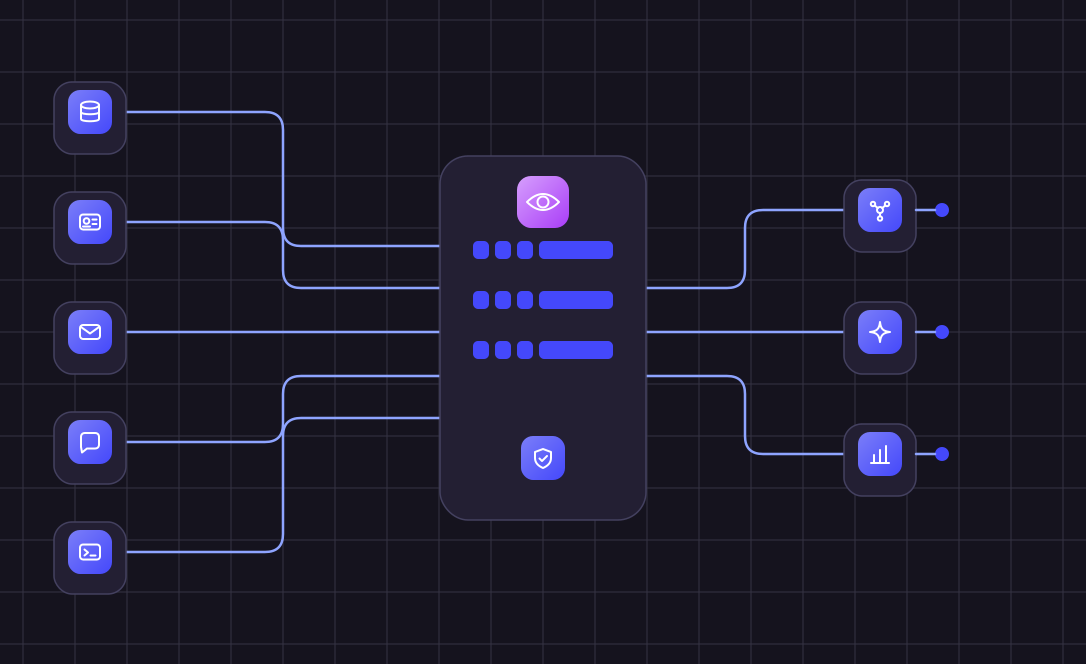
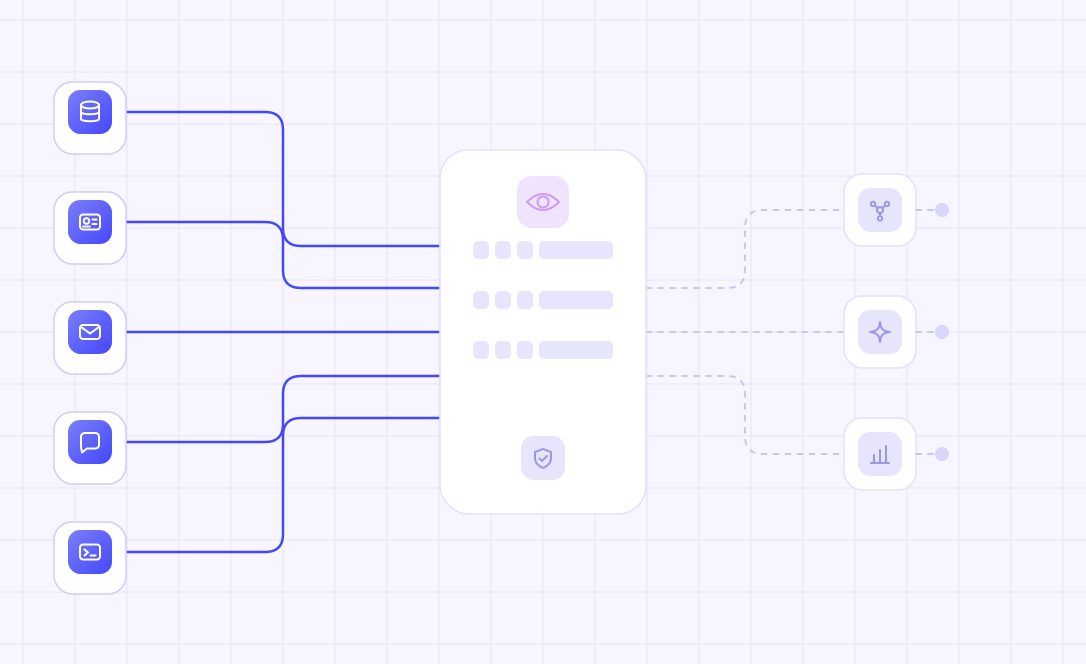
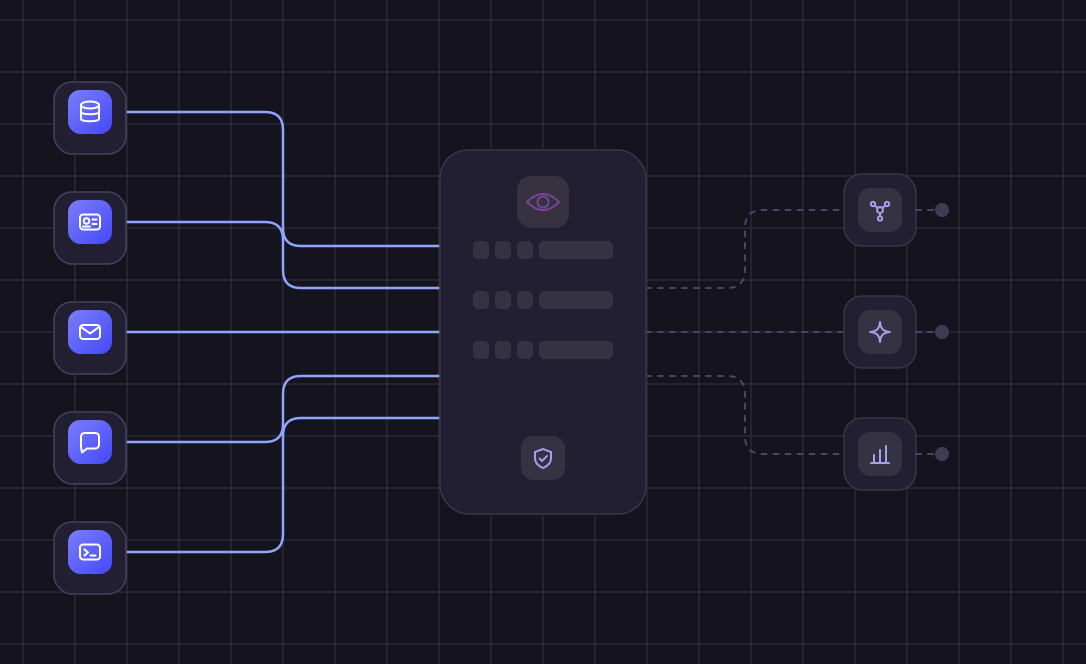
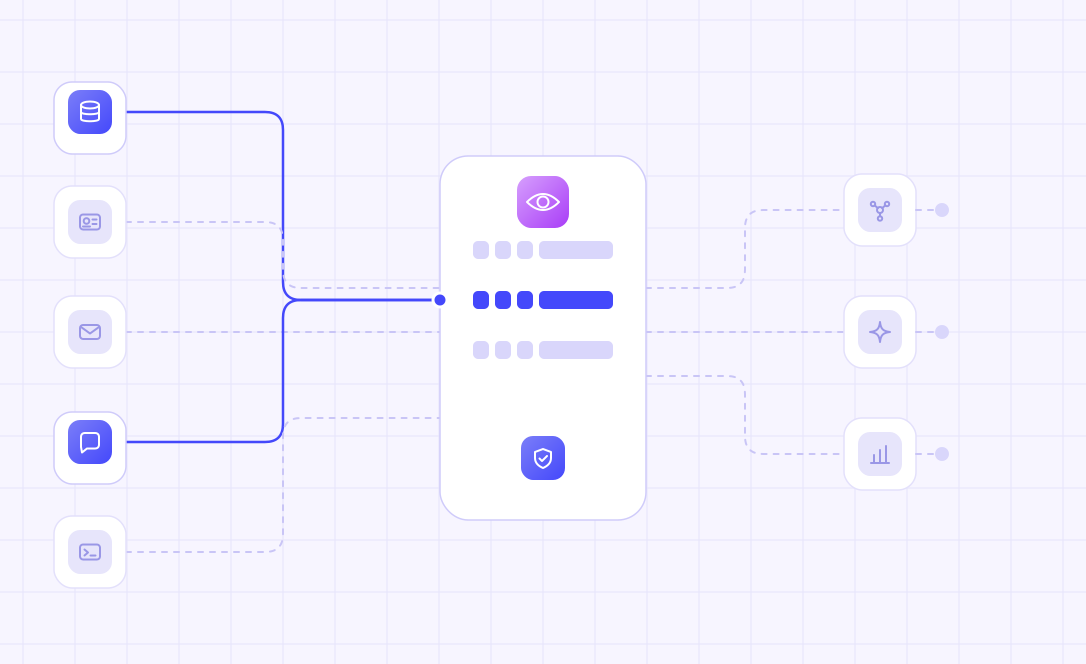
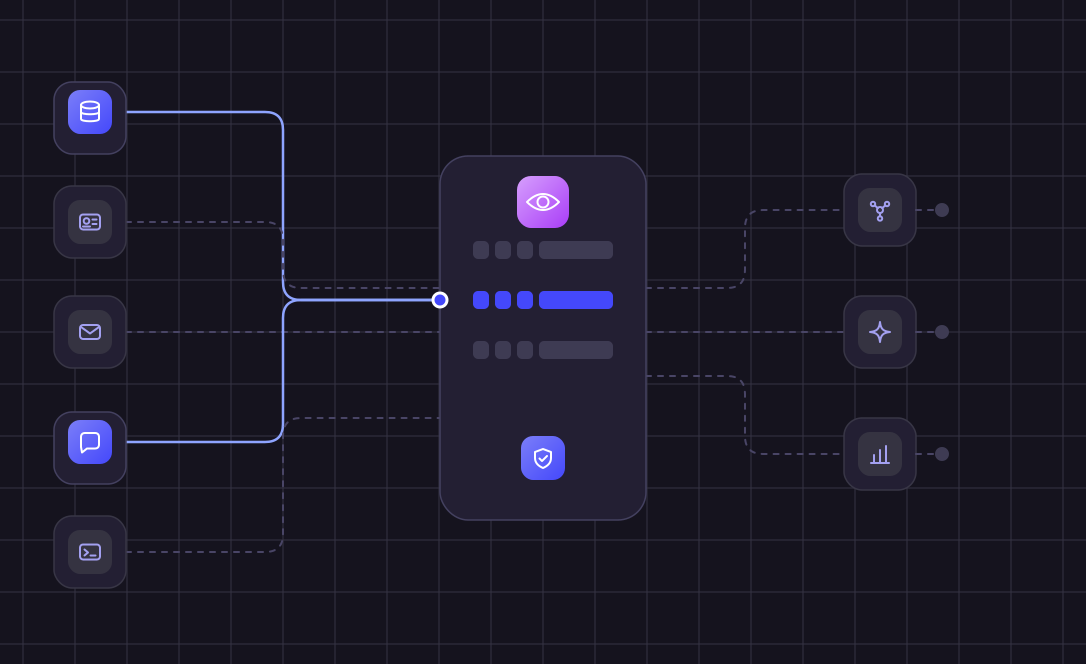
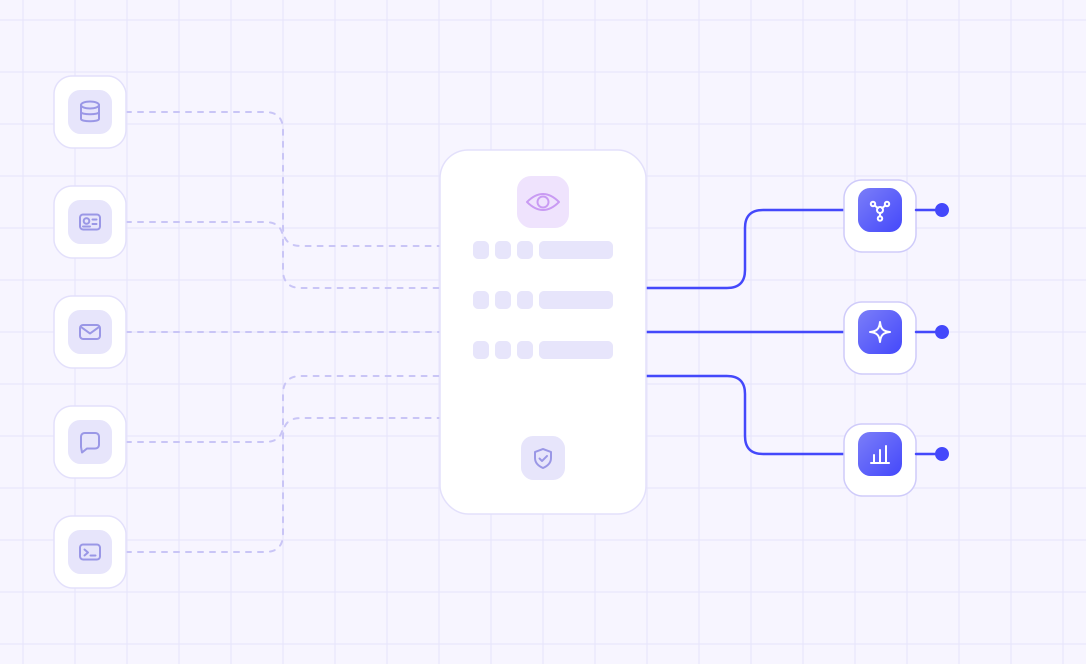
 ERPCRMEmailWhatsAppLegacy systemKAI VaultUnified records · PermissionsAgentsCopilotsReports
Every system that matters gets a connection AI can use. Where an API exists, we connect it. Where it doesn't (legacy ERPs, internal tools, shared drives, messaging), we build the connection ourselves, as custom MCP servers. Then we make the data trustworthy: cleaned, deduplicated, and monitored so it stays that way.
One picture of the business. The contact in the ERP, the lead in the CRM, and the number on WhatsApp resolve to the same person. The order, the invoice, and the delivery resolve to the same transaction. Permissions travel with the data, so an agent sees only what the person asking would see.
Agents and model orchestration on top of the Vault, built around the business need. We pick the model per task (Claude, OpenAI, or others), run the workflows, and measure each agent against the number it was built to move.
Agents that read invoices, payment status, and customer conversations, and chase what's due.
Every lead answered and every quote followed, in the channel the customer uses.
Agents that watch orders, inventory, and compliance signals and flag problems early.
Month-end and board reporting assembled from live data instead of a week of spreadsheets.
We build on Anthropic, OpenAI, AWS, and Microsoft, and keep the Vault model-agnostic. Your data stays in your systems; the Vault orchestrates access rather than moving your business into someone else's cloud. When a better model is available, you switch without rebuilding.




The Vault is built in your own accounts. Permissions follow the data, so an agent sees only what the person asking is allowed to see, and the audit trail and data residency are set at setup.
Three outcome buckets across strategy, build, and adopt. Practical solutions designed for production, not slideware.
FAQ
No. We build the Vault inside your own accounts, and your data stays in your own repositories. We set it up; you own all of it.
Anything your business runs on: ERP, CRM, WhatsApp, email, shared drives, internal tools, and legacy databases. Where a system has an API, we connect to it. Where it doesn't, we build the connection ourselves.
MCP (Model Context Protocol) is an open standard that lets AI models connect to business systems in a consistent, controlled way. Many systems don't have one. We build them, which is how systems without an API become available to AI.
We're Anthropic and OpenAI partners, and we choose the model for each task on price and output quality. The Vault isn't tied to any one provider, so you can switch models without rebuilding.
The Vault lives in your accounts and all the data in it is yours. We work with the access you grant us. Permissions follow the data, so an agent sees only what the person asking it is allowed to see.
No. The Vault is entirely your data, in your accounts, so the AI tools your team already uses can work from it. Most companies add agents afterwards, starting with one workflow and one number.
Start with the readiness check. In two weeks we assess how available and consolidated your data is, and what infrastructure and tools you have in place. You get a clear picture of the gaps and what it takes to close them.
Three to six months, depending on the state of your data. The more consolidated and reliable it is at the start, the sooner agents go live.
Tell us the number you want to move: a launch date, a cost, a cycle time, a cash position. We'll come back with a baseline, a plan, and what we'd be accountable for.